

5 ways to manage your blood sugar while working from home
Making the shift from being an in-office employee to one who works remotely can certainly be an adjustment. You may need to learn how to balance your own conference calls, create boundaries between your family time and late-night requests from colleagues when there’s no commute separating the spheres of your life and focus on that quarterly report when there are piles of laundry staring you in the face. Working from home presents a whole different set of challenges for people with diabetes....
Read More
A Carb Is a Carb
A lot of people with diabetes believed that if they cut out candy and sugary foods, they'd be able to manage their blood glucose (blood sugar). Now we know that all carbohydrates, in short known as carbs—rice, noodles, bread, cakes and candy alike—cause your blood glucose to rise. So really, when it comes to managing blood glucose levels, what's the difference between a serving of cake and a serving of rice? 15 grams of carbs = 15 grams of carbs, right? Since your body doesn't really distinguish between carb sources, 15 grams of carbs from a cake can cause your blood glucose...
Read More
5 Reasons to Choose Accu-Chek Blood Glucose Meter
1. Gentle Lancing Devices Accu-Chek blood glucose meters come with very gentle lancing devices, Accu-Chek FastClix or Accu-Chek Softclix. 2. Consumables are Easily Available Accu-Chek test strips and lancets are easily available in Malaysia, both offline at retail pharmacies or online at Lazada and Shopee. 3. Strips are Stable Until the Expiry Date Some test strips need to be disposed 3 months or 6 months after first opening. If you cannot finish the...
Read More
Introduction to Self-Monitoring of Blood Glucose (SMBG)
SMBG is a blood glucose (blood sugar) monitoring procedure performed by people with diabetes on themselves or by their care taker. Taking SMBG another step further, your doctor may have recommended you to perform such monitoring in a Structured Testing way. Structured Testing. Structured testing means checking your blood glucose at a specific time of the day or before or after an event (such as exercise, food, etc.) over a period of time. There are different ways to perform structured testing,...
Read More
What Is Diabetes?
Diabetes is a chronic disease. Your blood glucose (blood sugar) levels are controlled by insulin, a hormone produced by your pancreas. When you eat, food gets broken down and glucose enters your bloodstream. Insulin takes the glucose out of your bloodstream and allows it to enter your cells where it is broken down and turned into energy. If you have diabetes, either you don’t have enough insulin or the insulin you do have doesn’t work to get the glucose out of your blood and into your cells. This is how your blood glucose ends up going higher than it should (hyperglycemia).1 3 main types of...
Read More
Physical Activity During Ramadhan
Physical activities need to be adjusted during Ramadan. The following are recommended: Light and moderate activities/ exercise on a regular basis. Avoid strenuous activities/ exercise during daytime because of the risk of low blood glucose level. The timing of exercise is preferably performed 1-2 hours after the break of fast. Performance of Tarawih prayers is a form of physical activity. Definition: Mild activities : 35 - 50 % of a person's maximum...
Read More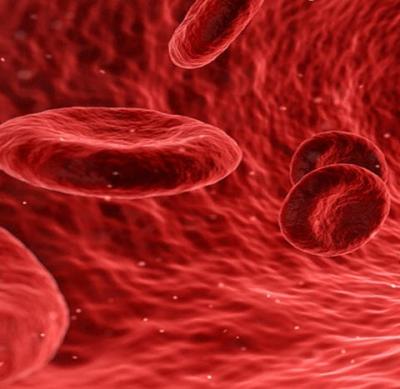
HbA1c Test Goals
An HbA1c result tells you your average level of blood glucose (blood sugar) over the past 2 to 3 months. It measures the percentage of hemoglobin A1c in the red blood cells which have glucose attached to them. However, it is important to note that HbA1c will not provide you any information about high or low results nor help you with identifying any day to day patterns. It has been noted that some people with diabetes falsify their blood glucose results in their diary in order to keep their healthcare professional “happy” but HbA1c will easily uncover the true situation. What Is Hemoglobin...
Read More
Everything About Low Blood Glucose (Hypoglycemia)
Low blood glucose is also known as hypoglycemia which is a medical terminology. Some call it ‘hypo’ for short. It usually happens in people with diabetes who take medication especially increased dose of insulin, exercising more than usual, miss their meals or reduced their meals. People with diabetes who experience ‘hypo’ usually experience some signs or if their blood glucose is tested, it could be below 4.0mmol/L. It is very important to recognize the early signs of ‘hypo’ and treat it quickly. Educate your colleagues, friends and family members to enable them to help with treatment when you experience ‘hypo’. If left...
Read More
Does life get in the way of healthy eating?
How many times have you been told to just “eat better”? As if that’s such an easy thing to do. Sure, you know you should eat more vegetables (shouldn’t everyone?), and you dutifully count your carbs (or can recite the carbs in all of your meals from memory), but the time and effort it takes to “eat better” can make you feel even more stressed. Or bored. Everywhere you turn, you’re bombarded by images of food—the kind that makes your mouth water, but usually not the kind that’s high-fiber, low-fat, and full of nutrition. Instead of beating yourself up for not eating up to your ideals, take comfort—no one eats right, at...
Read MorePages
A Carb Is a Carb
A lot of people with diabetes believed that if they cut out candy and sugary foods, they'd be able to manage their blood glucose (blood sugar). Now we know that all carbohydrates, in short known as carbs—rice, noodles, bread, cakes and candy alike—cause your blood glucose to rise. So really, when it comes to managing blood glucose levels, what's the difference between a serving of cake and a serving of rice? 15 grams of carbs = 15 grams of carbs, right? Since your body doesn't really distinguish between carb sources, 15 grams of carbs from a cake can cause your blood glucose...
Read More 5 Reasons to Choose Accu-Chek Blood Glucose Meter
1. Gentle Lancing Devices Accu-Chek blood glucose meters come with very gentle lancing devices, Accu-Chek FastClix or Accu-Chek Softclix. 2. Consumables are Easily Available Accu-Chek test strips and lancets are easily available in Malaysia, both offline at retail pharmacies or online at Lazada and Shopee. 3. Strips are Stable Until the Expiry Date Some test strips need to be disposed 3 months or 6 months after first opening. If you cannot finish the...
Read More Introduction to Self-Monitoring of Blood Glucose (SMBG)
SMBG is a blood glucose (blood sugar) monitoring procedure performed by people with diabetes on themselves or by their care taker. Taking SMBG another step further, your doctor may have recommended you to perform such monitoring in a Structured Testing way. Structured Testing. Structured testing means checking your blood glucose at a specific time of the day or before or after an event (such as exercise, food, etc.) over a period of time. There are different ways to perform structured testing,...
Read More What Is Diabetes?
Diabetes is a chronic disease. Your blood glucose (blood sugar) levels are controlled by insulin, a hormone produced by your pancreas. When you eat, food gets broken down and glucose enters your bloodstream. Insulin takes the glucose out of your bloodstream and allows it to enter your cells where it is broken down and turned into energy. If you have diabetes, either you don’t have enough insulin or the insulin you do have doesn’t work to get the glucose out of your blood and into your cells. This is how your blood glucose ends up going higher than it should (hyperglycemia).1 3 main types of...
Read More Physical Activity During Ramadhan
Physical activities need to be adjusted during Ramadan. The following are recommended: Light and moderate activities/ exercise on a regular basis. Avoid strenuous activities/ exercise during daytime because of the risk of low blood glucose level. The timing of exercise is preferably performed 1-2 hours after the break of fast. Performance of Tarawih prayers is a form of physical activity. Definition: Mild activities : 35 - 50 % of a person's maximum...
Read More HbA1c Test Goals
An HbA1c result tells you your average level of blood glucose (blood sugar) over the past 2 to 3 months. It measures the percentage of hemoglobin A1c in the red blood cells which have glucose attached to them. However, it is important to note that HbA1c will not provide you any information about high or low results nor help you with identifying any day to day patterns. It has been noted that some people with diabetes falsify their blood glucose results in their diary in order to keep their healthcare professional “happy” but HbA1c will easily uncover the true situation. What Is Hemoglobin...
Read More Everything About Low Blood Glucose (Hypoglycemia)
Low blood glucose is also known as hypoglycemia which is a medical terminology. Some call it ‘hypo’ for short. It usually happens in people with diabetes who take medication especially increased dose of insulin, exercising more than usual, miss their meals or reduced their meals. People with diabetes who experience ‘hypo’ usually experience some signs or if their blood glucose is tested, it could be below 4.0mmol/L. It is very important to recognize the early signs of ‘hypo’ and treat it quickly. Educate your colleagues, friends and family members to enable them to help with treatment when you experience ‘hypo’. If left...
Read More Does life get in the way of healthy eating?
How many times have you been told to just “eat better”? As if that’s such an easy thing to do. Sure, you know you should eat more vegetables (shouldn’t everyone?), and you dutifully count your carbs (or can recite the carbs in all of your meals from memory), but the time and effort it takes to “eat better” can make you feel even more stressed. Or bored. Everywhere you turn, you’re bombarded by images of food—the kind that makes your mouth water, but usually not the kind that’s high-fiber, low-fat, and full of nutrition. Instead of beating yourself up for not eating up to your ideals, take comfort—no one eats right, at...
Read More