

Your Feet Are Two Good Reasons to Take Your Diabetes Seriously
Managing diabetes can be complex, but it shouldn’t mean missing out on the good things in life, like feeling the scrunchy sand under your feet, dipping your feet surf, long hikes in the park with your family. Keeping blood glucose levels within range can help prevent complications such as those that affect your feet1. High blood glucose can cause nerve damage (neuropathy) especially in the limbs (example both legs and feet). In addition, poor circulation caused by diabetes may lead to more serious problems like diabetic foot ulcer and infections and even deformity of the feet...
Read More
Does life get in the way of healthy eating?
How many times have you been told to just “eat better”? As if that’s such an easy thing to do. Sure, you know you should eat more vegetables (shouldn’t everyone?), and you dutifully count your carbs (or can recite the carbs in all of your meals from memory), but the time and effort it takes to “eat better” can make you feel even more stressed. Or bored. Everywhere you turn, you’re bombarded by images of food—the kind that makes your mouth water, but usually not the kind that’s high-fiber, low-fat, and full of nutrition. Instead of beating yourself up for not eating up to your ideals, take comfort—no one eats right, at...
Read More
When To Test Your Blood Glucose?
Your doctor would have advised you on when to test your blood glucose (blood sugar). In addition, below is the recommended frequency of blood glucose testing by Malaysia’s Ministry of Health (MOH)1. Mode of Treatment Breakfast Lunch...
Read More
Newly diagnosed? Here’s what to do now.
It’s never easy to be diagnosed with diabetes. You may wonder, “Why is this happening?” and may fear the unknown. It’s common to blame yourself and worry about what others will think of you. What’s most important is that you acknowledge all of your emotions as they come and go, resolve to deal with them, and understand that you are not alone. The first step in taking control of your health after a diagnosis is making an appointment with your primary healthcare provider (or endocrinologist, or diabetes nurse, etc.), and finding out everything you can about your diabetes. To start, you should find out:...
Read More
Eating Healthy with Team Family
As a parent of a child with diabetes, you’re not only responsible for getting them to eat healthy when they’re sitting at the dinner table, you’re also teaching them how to make good choices when they’re on their own. Parenting can be tough, especially when kids start testing their independence and developing physically and emotionally. Sure, you know the difference between a healthy snack and movie theater popcorn, but do you ever feel like it’s not worth the argument? Here are some ideas to encourage kids to make healthy choices—with or without your reminders. Create a family-team atmosphere...
Read More
The Facts About Fats
We’ve all been there—standing in the grocery aisle thinking, “this little chocolate-covered, cream-filled snack cake doesn’t have that much more fat in it than a handful of peanuts. For an extra 4 grams of fat, I can really indulge.” Sure, the peanuts have 13 grams of fat and the snack cake only has 17 grams. But have you looked at the type of fats they contain or what effect they’ll have on your body? This is where the “good fat, bad fat” discussion becomes important. Finding bad fats There are two bad fats you need to watch for in foods: saturated fat and trans-...
Read More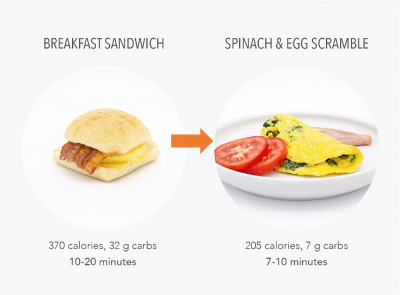
Swap Your Meals & Snacks For A Healthier You!
Ever feel like preparing a meal at home takes too much time and effort? Try this quick meal idea that can actually take less time to make at home than it would to stand in line waiting for “fast” food. How convenient is convenience food—really? With a few fresh ingredients, you can whip up a healthier—and often faster—meal option than the corner café. Best of all, you know exactly what’s on your plate, because you made it! Breakfast Swap Compare these: Simple egg and spinach scramble at home, with two tomato slices and a slice ham: 205 calories, 7 g carbs, to a breakfast sandwich with 370 calories...
Read More
Protect Your Heart, Control Your Blood Glucose Level
Persistent high blood glucose (blood sugar) levels can lead to diabetes related complications such as kidney disease, eye disease, numbness and weakness of hands and legs, but heart diseases have topped it all1. Action to be taken. The Ministry of Health (MOH) Malaysia recommends keeping control of your blood glucose...
Read More
Learning From Your Blood Glucose Results
It's likely that your healthcare team has talked to you about the importance of checking your blood glucose (blood sugar). But many people don't realize just how much valuable information they can obtain from their blood glucose results. Blood glucose monitoring shows how your body handles the food you eat, how exercise affects those glucose levels and how the medication you are taking is working—as well as letting you know if your body has the fuel it needs throughout the day. Such information is essential to anyone who self-manages their diabetes. It's important to know that keeping...
Read MorePages
Does life get in the way of healthy eating?
How many times have you been told to just “eat better”? As if that’s such an easy thing to do. Sure, you know you should eat more vegetables (shouldn’t everyone?), and you dutifully count your carbs (or can recite the carbs in all of your meals from memory), but the time and effort it takes to “eat better” can make you feel even more stressed. Or bored. Everywhere you turn, you’re bombarded by images of food—the kind that makes your mouth water, but usually not the kind that’s high-fiber, low-fat, and full of nutrition. Instead of beating yourself up for not eating up to your ideals, take comfort—no one eats right, at...
Read More When To Test Your Blood Glucose?
Your doctor would have advised you on when to test your blood glucose (blood sugar). In addition, below is the recommended frequency of blood glucose testing by Malaysia’s Ministry of Health (MOH)1. Mode of Treatment Breakfast Lunch...
Read More Newly diagnosed? Here’s what to do now.
It’s never easy to be diagnosed with diabetes. You may wonder, “Why is this happening?” and may fear the unknown. It’s common to blame yourself and worry about what others will think of you. What’s most important is that you acknowledge all of your emotions as they come and go, resolve to deal with them, and understand that you are not alone. The first step in taking control of your health after a diagnosis is making an appointment with your primary healthcare provider (or endocrinologist, or diabetes nurse, etc.), and finding out everything you can about your diabetes. To start, you should find out:...
Read More Eating Healthy with Team Family
As a parent of a child with diabetes, you’re not only responsible for getting them to eat healthy when they’re sitting at the dinner table, you’re also teaching them how to make good choices when they’re on their own. Parenting can be tough, especially when kids start testing their independence and developing physically and emotionally. Sure, you know the difference between a healthy snack and movie theater popcorn, but do you ever feel like it’s not worth the argument? Here are some ideas to encourage kids to make healthy choices—with or without your reminders. Create a family-team atmosphere...
Read More The Facts About Fats
We’ve all been there—standing in the grocery aisle thinking, “this little chocolate-covered, cream-filled snack cake doesn’t have that much more fat in it than a handful of peanuts. For an extra 4 grams of fat, I can really indulge.” Sure, the peanuts have 13 grams of fat and the snack cake only has 17 grams. But have you looked at the type of fats they contain or what effect they’ll have on your body? This is where the “good fat, bad fat” discussion becomes important. Finding bad fats There are two bad fats you need to watch for in foods: saturated fat and trans-...
Read More Swap Your Meals & Snacks For A Healthier You!
Ever feel like preparing a meal at home takes too much time and effort? Try this quick meal idea that can actually take less time to make at home than it would to stand in line waiting for “fast” food. How convenient is convenience food—really? With a few fresh ingredients, you can whip up a healthier—and often faster—meal option than the corner café. Best of all, you know exactly what’s on your plate, because you made it! Breakfast Swap Compare these: Simple egg and spinach scramble at home, with two tomato slices and a slice ham: 205 calories, 7 g carbs, to a breakfast sandwich with 370 calories...
Read More Protect Your Heart, Control Your Blood Glucose Level
Persistent high blood glucose (blood sugar) levels can lead to diabetes related complications such as kidney disease, eye disease, numbness and weakness of hands and legs, but heart diseases have topped it all1. Action to be taken. The Ministry of Health (MOH) Malaysia recommends keeping control of your blood glucose...
Read More Learning From Your Blood Glucose Results
It's likely that your healthcare team has talked to you about the importance of checking your blood glucose (blood sugar). But many people don't realize just how much valuable information they can obtain from their blood glucose results. Blood glucose monitoring shows how your body handles the food you eat, how exercise affects those glucose levels and how the medication you are taking is working—as well as letting you know if your body has the fuel it needs throughout the day. Such information is essential to anyone who self-manages their diabetes. It's important to know that keeping...
Read More